This Thanksgiving, Don’t Stuff the Drains With FOG!
 November 26, 2025
You’ve heard of the Thanksgiving brain fog—when you start nodding off after dinner because you had third helpings of Mom’s turkey dinner. But do you know about drain FOG? It’s the Fats, Oils and Grease that get stuffed down the drain during America’s favorite big holiday meal.
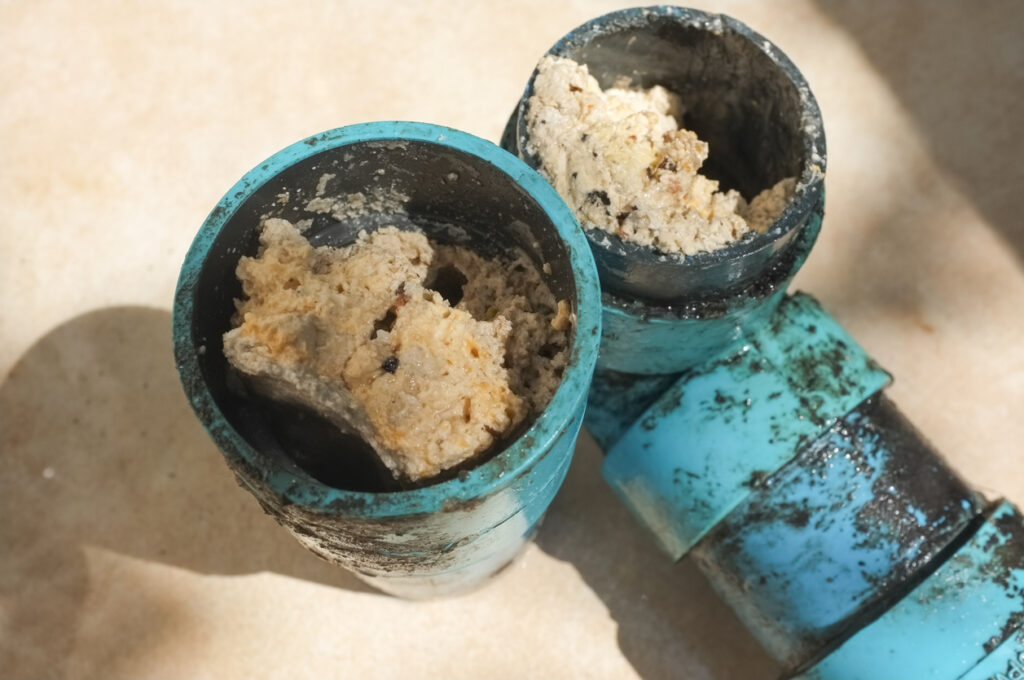
Once this terrible trio hits the cold pipes in your plumbing system, it starts to congeal and solidify. It coats the walls of pipes; solidifies around other objects in the drain; gets stuck in drain traps … and goes on to clog sewer lines.
The drain FOG problem is so common that Thanksgiving and the days after it are among the highest-call days of the year for plumbers across the nation! The one culprit every call has in common? Solidified fats, oils, and grease (FOG) clogging sewer and drain lines. The trend of frying a whole turkey in oil has only compounded the problem.
And if you think it’s bad having your holiday upended by a plumber’s visit, just imagine what the bill will be for upending their big family meal!
But FOGs don’t just cause problems in your house: They also make their way into public sewer lines and cause messy, expensive blockages for others as well.
In worst-case scenarios, these blockages can cause sewage to back up into homes and neighborhoods. It’s smelly, unpleasant, unhealthy … and totally avoidable.
Clogging the System
From Jan. 1 through Oct. 31 of this year, in the City of Allentown Division, Lehigh County Authority crews have responded to 159 sewer backups. Of the 159 sewer calls, 117 were blockages on the homeowner’s side, and 42 were on the public side.
The biggest factors in all the blockages have been grease and sanitary wipes!
If the customer requests a service visit, LCA charges a $50 fee if the problem is determined to be on the customer’s property. The customer is then instructed to contact a plumber to fix the internal issue.
If the service call is after hours or on a holiday, the fee is $150. There is no charge if the issue is found to be with the public sewer system.
Oil and Water Don’t Mix!
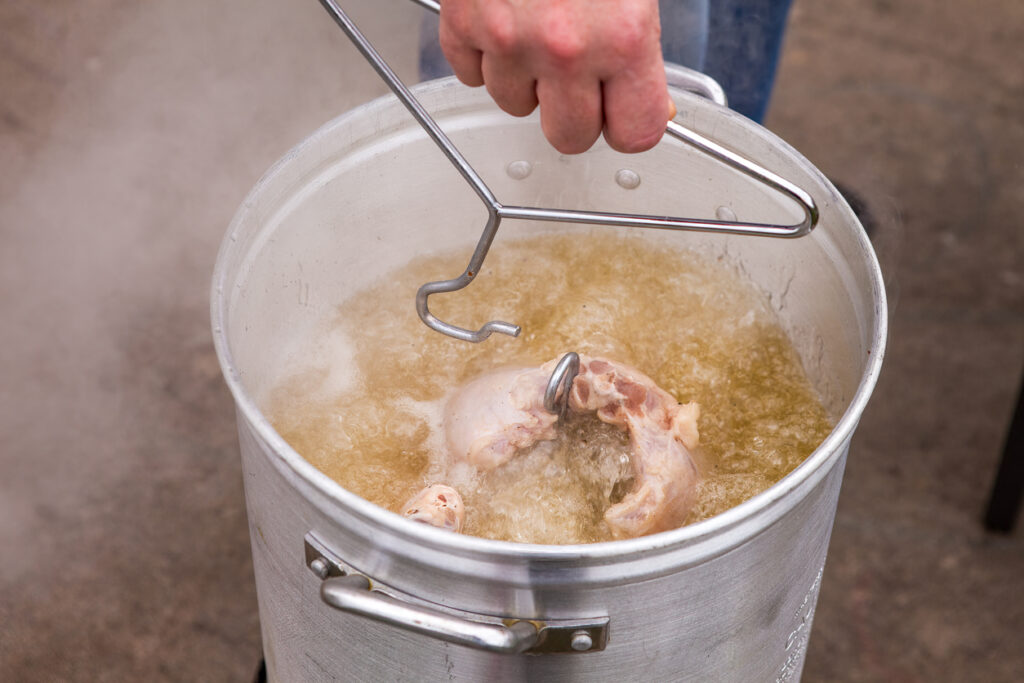
As we mentioned, the problem intensifies around the holidays. Each turkey alone can produce about 20 gallons of used cooking oil. And while it may be a liquid, it never belongs in the sewer system. Instead, once cooled, the oil can be refrigerated and reused; or it can be returned to its original container, sealed and placed in the trash.
But fryer oil is not the only source of Holiday FOG. Butter, salad dressings, dairy products and even your pumpkin pie contains some FOGs. Instead of sending that down the disposal unit, scrape it into the trash instead.
“LCA works to ensure that public sewer lines are cleaned and inspected on a regular maintenance schedule. It helps to avoid ‘fatbergs’ and the build-up of FOG and other solids in the mains, which are larger pipes,” says Taylor Stakes, Director of Communications and Strategic Partnerships. “We see an increase in fats, oils, and grease in our system around holidays like Thanksgiving. Over time we have become aware of trouble spots, which we address through mechanical or biological intervention to minimize FOG in the system.”
Tips to keep FOG at Bay
- Never pour fat, grease, drippings, or cooking oil down drains. They solidify.
- Poultry skins, bones, pasta and rice should go in the trash, not the garbage disposal unit.
- Compost coffee grounds, potato skins and other vegetable scraps.
How to properly dispose of FOGs:
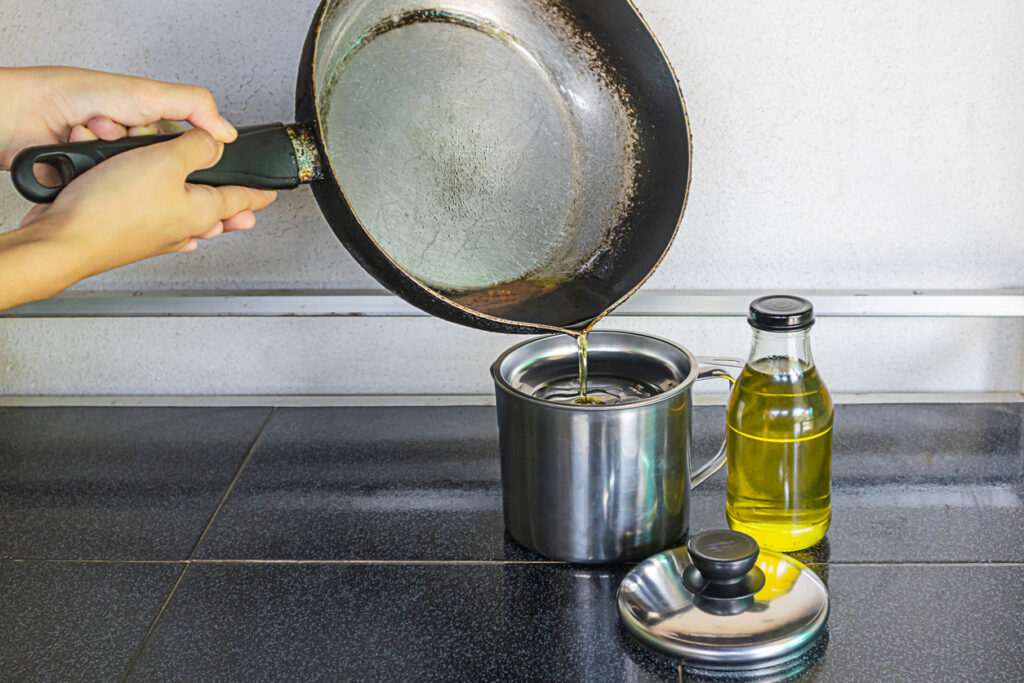
- Pour fats, oils and grease into a can
- Put a lid on it
- Cool it in the refrigerator or freezer; add to it until it’s full
- Throw the full, covered can into the trash
Full house for the holidays? Be sure to tell your guests NOT to flush “disposable” wipes — or anything but human waste and toilet paper!