Household Leaks Are Costing You Money!
 March 12, 2026
Find and repair them with these Fix-a-Leak Week tips
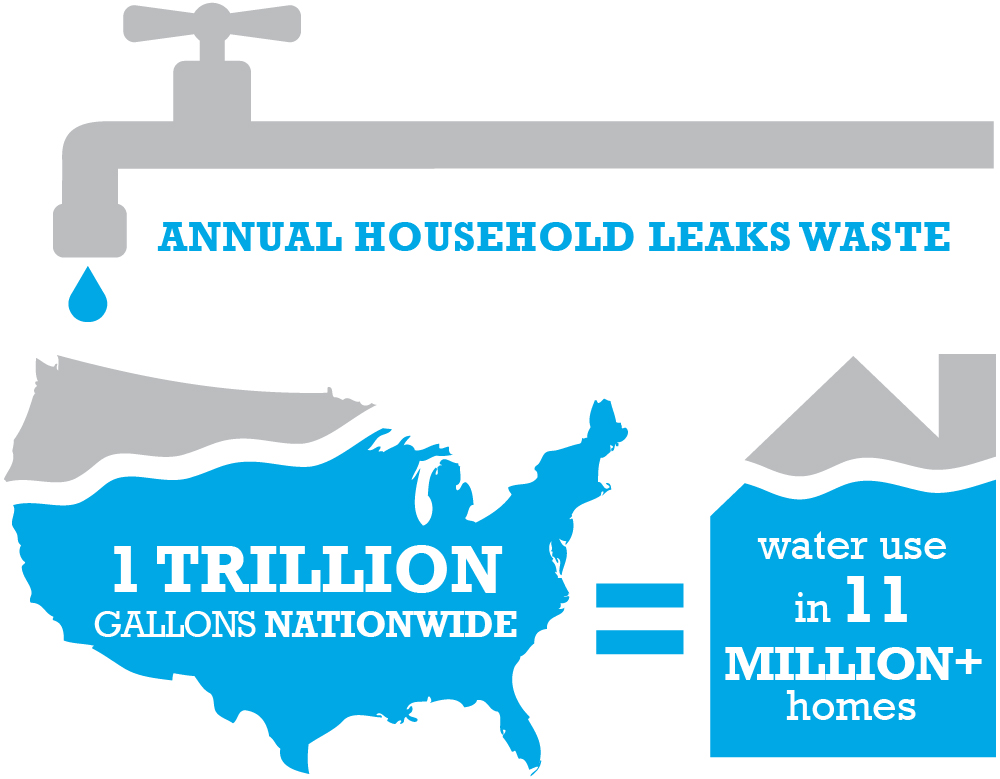
Did you know that, on average, household leaks can waste 10,000 gallons of your water every year? And nationally, we lose nearly 1 trillion gallons of water annually to leaks!
You might think that a dripping faucet or leaky toilet flapper is no big deal. But a faucet leak can waste about 3,000 gallons of water a year. And that leaky toilet? It can waste up to 200 gallons of water every day!
That’s why we get excited for WaterSense’s annual Fix a Leak Week (March 16-22 this year)! Join us as we share tips for finding and fixing leaks in your home (and place of business) that are wasting water and costing you money.
A Costly Conundrum
Those leaks waste a lot of water — and money. Ten thousand gallons of water is enough to wash about 270 loads of laundry! And ten percent of homes have leaks that waste 90 gallons or more per day — or almost 30,000 gallons a year. That’s an expensive problem.
Homes with leaky swimming pools waste even more. A small, above-ground pool might lose about an 1/8 inch of water a day. That doesn’t sound like much … but for a 16×32 foot pool, that’s about 100 gallons of water lost every day. Leaks in larger pools, of course, can waste even more. Even a minor crack can cause losses of 2,000–5,000 gallons.

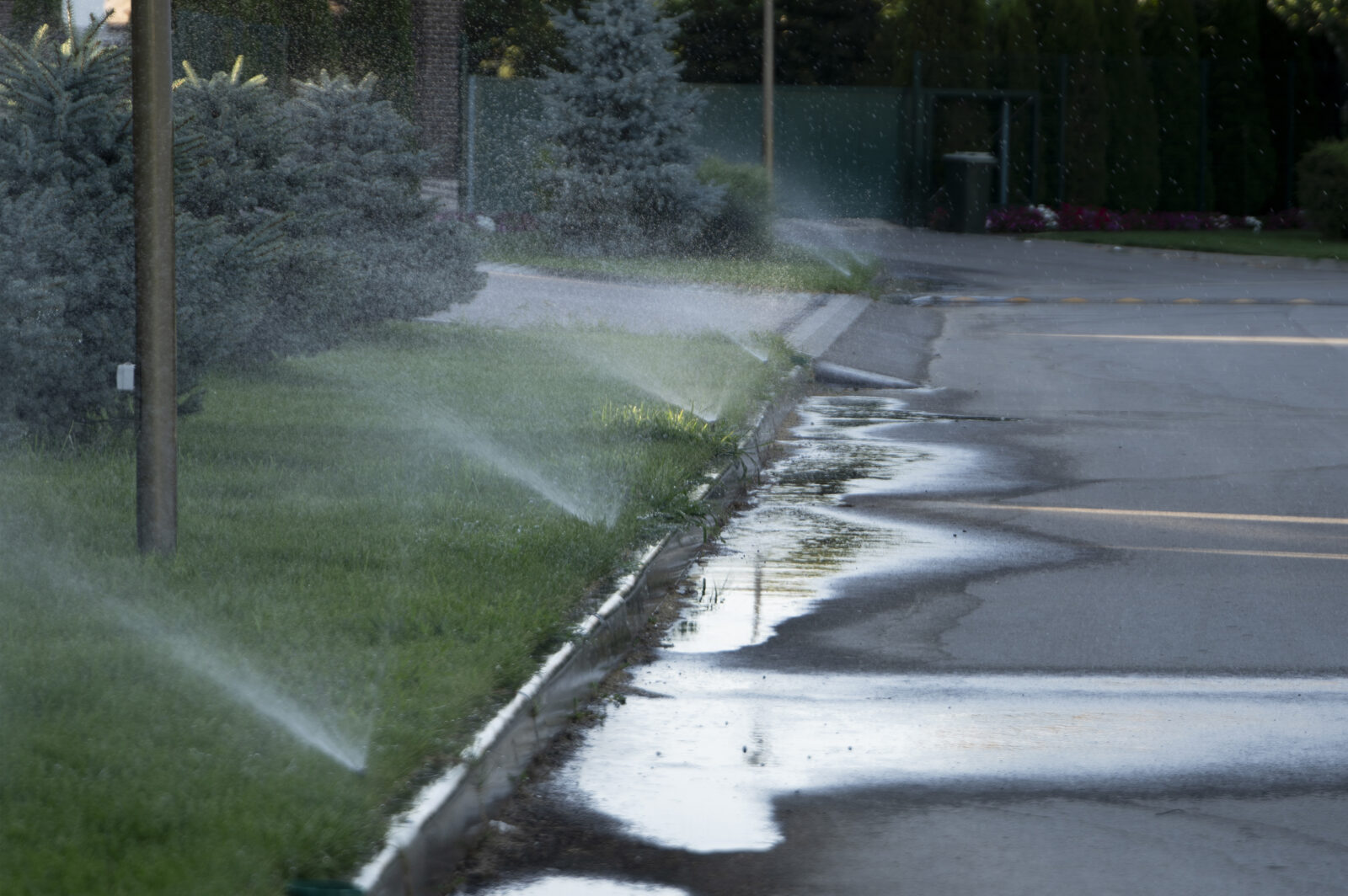
And if you have a poorly adjusted or leaky sprinkler system irrigating your lawn, the numbers are even more staggering. According to the EPA, 30 to 60 percent of the water that runs through a sprinkler is often wasted due to poor scheduling, misalignment, and leaks. A single leaky sprinkler head can lose 25,000 gallons of water a year.
“It’s easy to see why LCA takes Fix-a-Leak week so seriously,” says Susan Sampson, LCA’s Communications Manager. “We need to do all we can to conserve our source water — especially since our region is currently under a drought warning. That’s why we are proud to be an EPA WaterSense program partner, sharing messages about water conservation, WaterSense-certified products, and smart water use.”
Simple Solutions
The good news is, it’s usually simple to fix leaks. Better yet, the fixes will pay for themselves in savings. Not sure if you’re losing water, or where a leak is coming from? Here are some helpful tips from the EPA:
- Take a look at your water usage during a colder month, such as January or February. If a family of four exceeds 12,000 gallons per month, there are serious leaks. “It is important to monitor average water consumption, which is shown on your quarterly billing statement,” Sampson says. “Look for sudden spikes in water consumption and bill amount due. Most likely, when this happens, a leak is lurking.”
- Check your water meter before and after a two-hour period when no water is being used. If the meter changes at all, you probably have a leak.
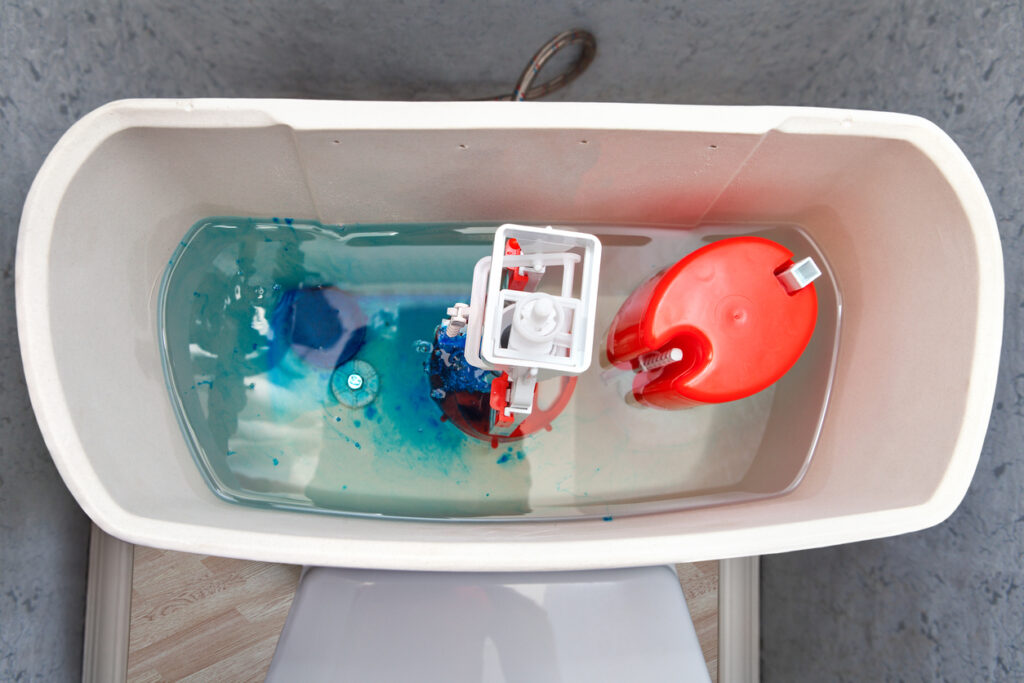
- Identify toilet leaks by placing a drop of food coloring in the toilet tank. If any color seeps from the tank into the bowl after 10 minutes, you have a leak. (Be sure to flush immediately after the experiment to avoid staining the tank.)
- Examine faucet gaskets and pipe fittings for any water on the outside of the pipe to check for surface leaks.
One last point: Even if an older faucet, toilet or shower isn’t leaking, consider replacing it with an EPA-approved WaterSense product. You’ll start conserving water immediately, and will save money in the long run.
Ready to get started fixing leaks around the house? Click here for a handy, downloadable checklist. And for even more tips and tricks on finding — and repairing — water woes around the house, check out the EPA’s Fix A Leak Week website.
And if you see a leak in the street, or water where it is not supposed to be, notify LCA immediately. It could be a main break or service line leak, and our crews will investigate. We also appreciate it when residents notify us of leaking fire hydrants, which sometimes need maintenance.
“Follow along all week long as we share simple ways to identify and fix leaks,” Sampson says. “And if you spot a leak at work, let your supervisor know about it.”