This Fishing Season, Help Keep Our Shared Waterways Clean
 May 18, 2026
Fishing season is upon us, and that means thousands of anglers will visit our shared Lehigh Valley waterways this year in search of the one that doesn’t get away. Fishing is a wonderful way to enjoy the outdoors and experience the beauty of our lakes, rivers and streams.
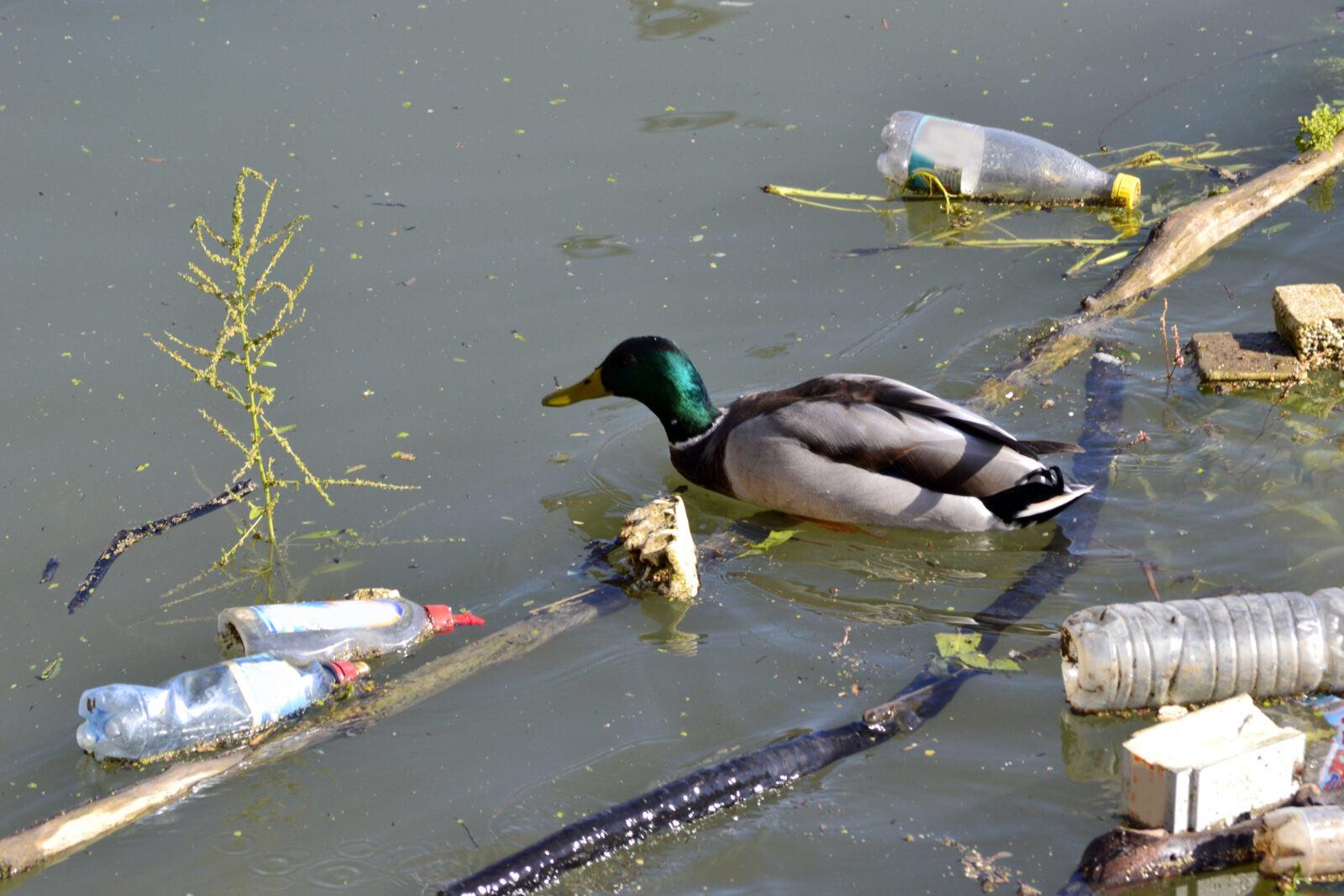
Yet fishing season also brings with it an increase in pollution both in and around waterways. While most anglers are respectful of nature, there are some who leave behind discarded fishing line, hooks, bobbers, bait tins, bottles and cans, tackle and more. And that causes serious problems for the wildlife that calls these waters home.
The Dangers of Discarded Line and Hooks
Abandoned fishing line and hooks in particular pose a threat to all wildlife, pets, and people.
And because it lasts for many years, monofilament fishing line poses a long-term threat.
Animals can get tangled in line or ingest it. Waterfowl often gets fishing line caught around their legs, which can cut off circulation and cause the loss of a limb.
Hooks can cause wounds that become infected, or — if swallowed — cause severe internal damage.
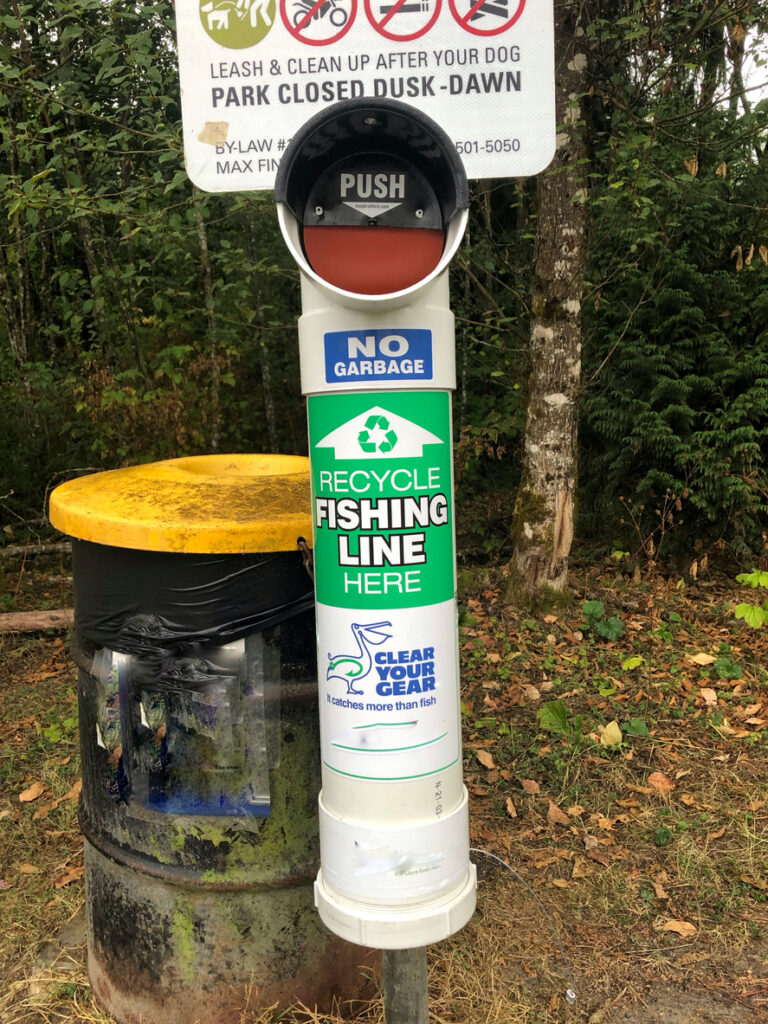
Many popular public fishing areas have special disposal receptacles for line and trash, like those in the accompanying picture. But don’t just stop after discarding your own trash — do wildlife a favor, and properly discard any line and trash you see tangled in the undergrowth or littering the shoreline.
No disposal options where you’re fishing? Then take along a bag and pack it out.
How to Deal With Snags
Of course, it’s not always easy to retrieve line when it’s caught on something high up, or in the water. One way to keep line from fouling the water — and land — around your favorite fishing hole is managing snags properly. Instead of cutting a tangled line near the reel, point the tip of the rod at the spot in which it is snagged, tighten up on the drag, take up slack on the line, and then pull until the line breaks. It should break closer to the point at which it’s snagged — leaving much less line behind.
Also remember to take all trash with you: If you bring it in, trek it back out. Bait containers, plastic bags, six-pack rings and more can also snag wildlife. If you do enjoy a six pack of any type, cut the rings of the plastic six-pack holder before properly disposing of it. This ensures an animal can’t become snared.
Cigarette butts are litter, too — and they’re toxic not only to animals, they release chemicals into the water. It’s unlawful to litter in Pennsylvania, and that includes cigarette butts.
This fishing season, please help keep our waterways clean. Mother Nature will thank you.