Drought Watch Declared by LCA
 November 8, 2024
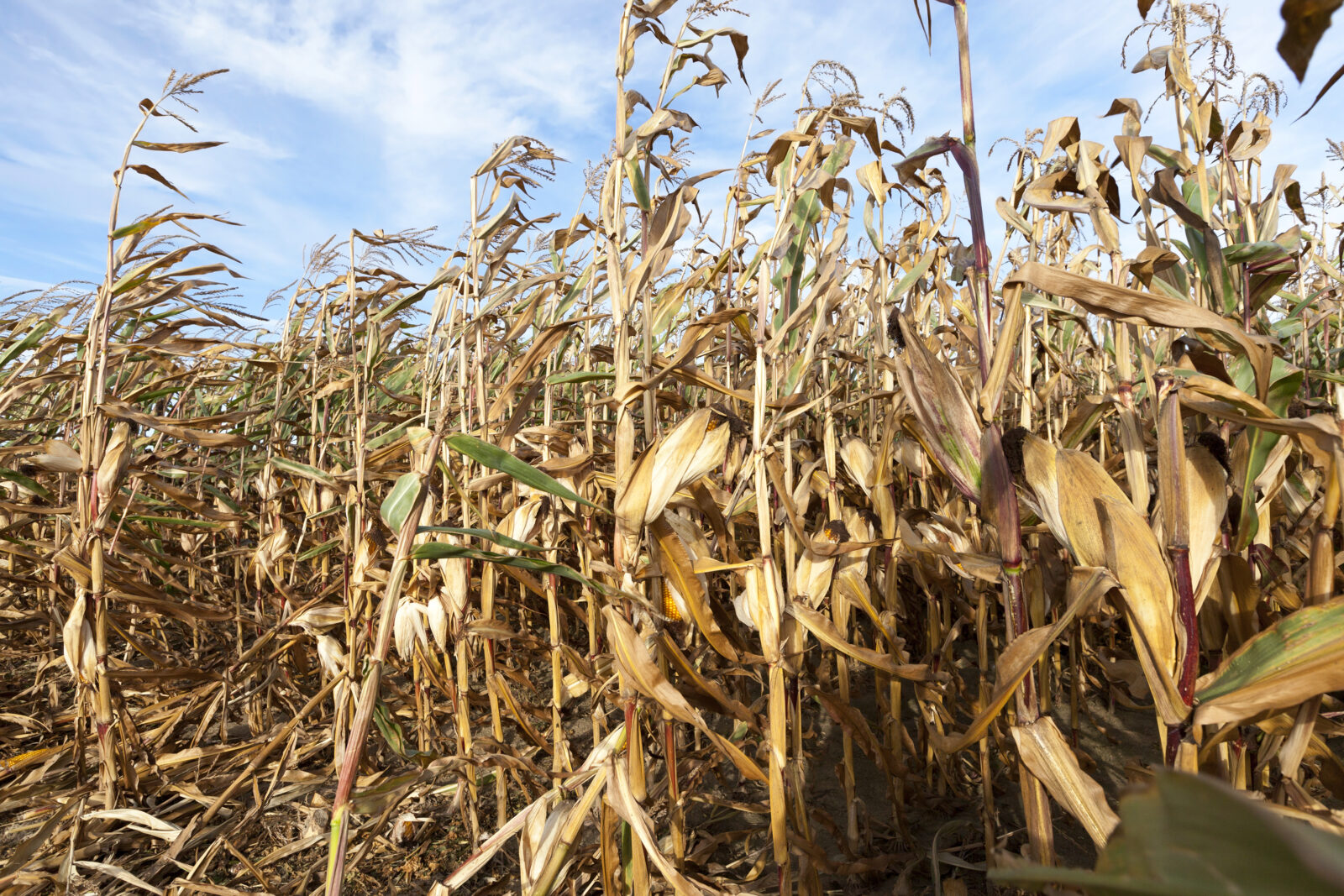
The entire Lehigh Valley region is experiencing dry conditions. Based on monitoring of local water supplies, LCA declared a drought watch for its service areas on November 21, 2025.
Currently, twenty-five Pennsylvania counties are under drought watch declarations from the Department of Environmental Protection (DEP), not including Lehigh County.
Customers Asked to Conserve
We are asking ALL customers to voluntarily conserve water and reduce water use by at least 5 percent. We’re keeping a very close eye on conditions and will provide regular updates on our Water Supply page, and on our social media accounts.
In the meantime, there are many simple things you and your family can do to cut back on water use. Each tip will help conserve our precious water resources, while also saving you money on your water bill.
Tips for Saving Water
First, Get a Baseline
How and where do you use water? Here in the U.S., we typically use more water per person per day than any other country in the world. Estimates on the amount vary, but at the low end, it works out to about 82 gallons of water a day, and in some cases is much higher! In other countries, those figures range from about 3 gallons a day to 77 gallons a day.
To determine your personal water footprint, you’ll need to track your activities throughout the day to see how much you’re consuming, and to determine where you can stop wasting water. This is especially important during a drought.
Much of our water waste comes from two places: the bathroom (frequently flushing toilets and taking long showers), and watering the lawn. An 8-minute shower, for instance, uses about 17 gallons of water; about 3 of those gallons run right down the drain while we wait for the water to warm up.
To figure out how much water you’re consuming, you can use the handy worksheet that’s included in our Customer Troubleshooting Guide, or try the Water Footprint Network’s personal water calculator.
Next, Take Action
Now that you know where your water is going, it’s time to find ways to reduce your use.
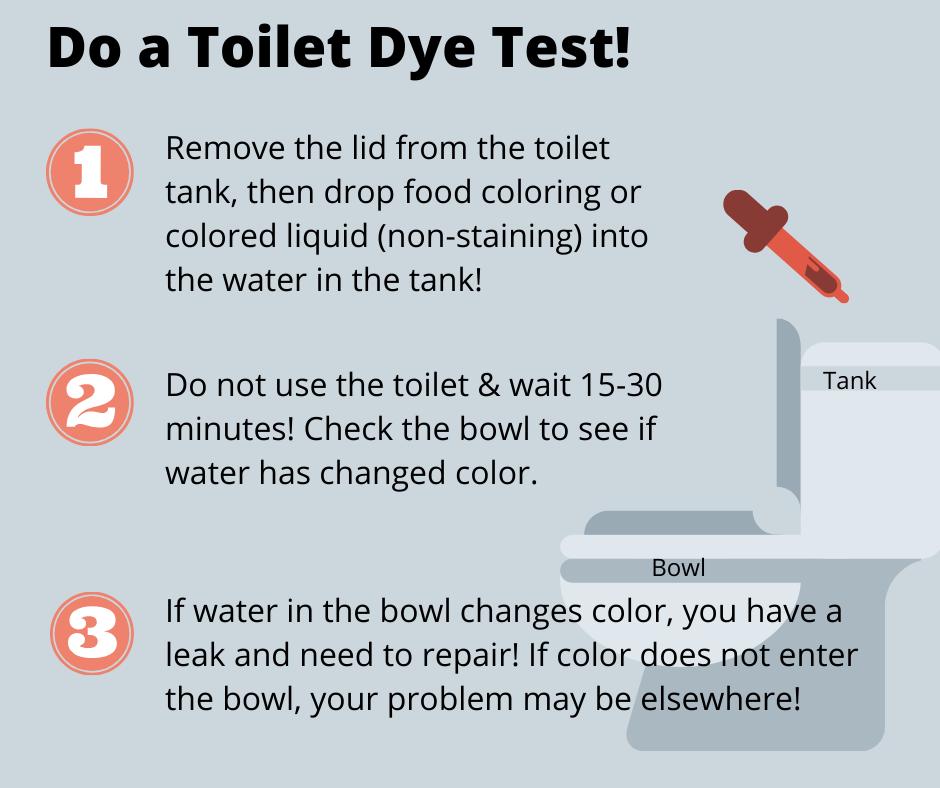
First, check for (and fix) leaks. If you’re a renter, report leaks to your building manager. Things like drippy faucets and outdoor taps, leaky hoses, inefficient irrigation systems and old toilet flappers can waste hundreds or thousands of gallons a year.
Just a single leaky faucet can waste more than 100 gallons of water annually. The United States Geological Survey has a handy Drip Calculator that flushes out an estimate of how much water a leaky faucet is actually wasting over time.
You can check out our post from Fix a Leak Week for handy tips, tricks, and links to resources on finding and repairing leaks around the house.
Next, change your habits using the tips below.
20 Easy Ways To Conserve Water Today
1. Stop watering the lawn. It will just go dormant during a drought.
2. Replace older plumbing fixtures with WaterSense products.
3. Turn the water off while you brush your teeth.
4. Take shorter (and fewer) showers. Only shower when you need to. Set a timer and challenge yourself (and the family) to shave off a few minutes each day. Skip baths altogether.
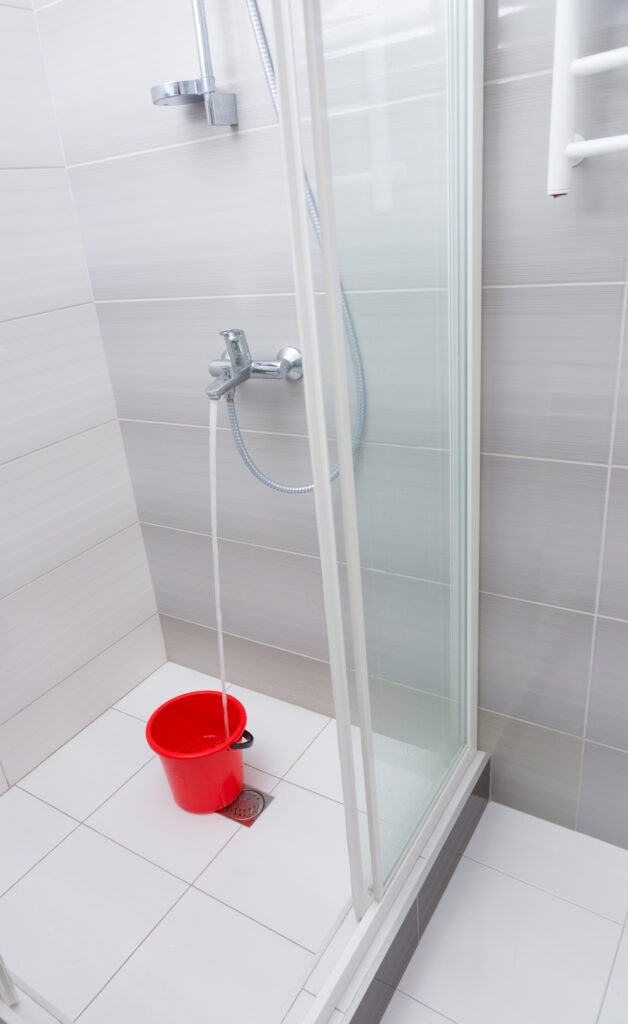
5. Collect excess shower water with a bucket and reuse it to flush the toilet—just dump the water in the bowl when you’re done, instead of pressing the handle.
6. “If it’s yellow, let it mellow.” Only flush your toilet for No. 2.
7. Always dispose of wipes, sanitary products, tissues, insects, and other waste in the trash rather than the toilet — this not only saves water, it prevents costly clogs.
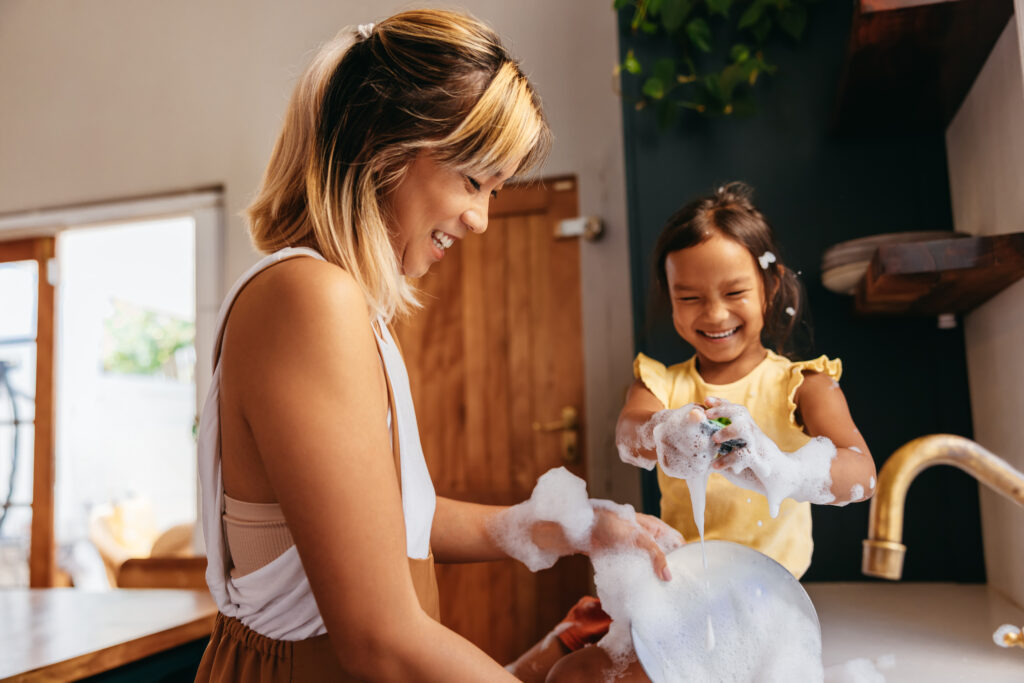
8. Use two pans for handwashing dishes: one for the soapy water, and one for rinse water. This avoids the constant running of water for rinsing.
9. Skip pre-rinsing your dishes—just scape the worst off to be composted. Today’s dishwashers are pretty powerful, and are quite adept at handling stuck-on food in all but the worst cases. If something’s really stuck on, soak the dishes, then re-use the water in the garden.
10. Only run the washing machine or dishwasher when you have a full load.
11. Refreshing your pet’s water? Use the old water for your houseplants.
12. Reuse water from dehumidifiers to water plants.
13. Save and reuse water from steaming or boiling vegetables and pasta to add flavor to your next recipe that calls for water. You can also save it to make a vegetable stock, for baking, or (if it’s not too salty) watering the plants.
14. Collect vegetable rinse water in a pan or bucket, and reuse it to water houseplants.
15. Only wash your car at a carwash! They’re much more efficient than a garden hose and bucket.
16. Use a broom to clean the sidewalk or driveway—not the hose.
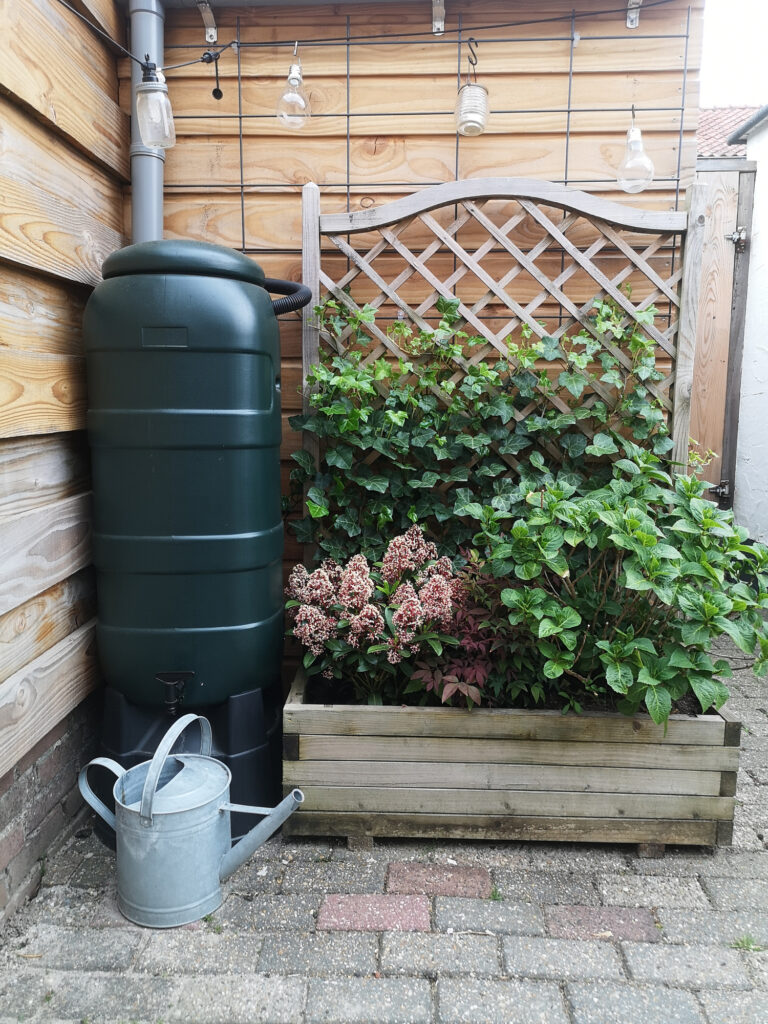
17. Install a rain barrel, and (when it finally does rain) use it to collect water for your flower and vegetable gardens, or even (if you must!) your lawn.
18. Skip the garbage disposal: Start composting your food waste, or throw it in the trash.
19. Don’t use running water to thaw frozen foods. Defrost overnight in the refrigerator, or use the defrost setting on the microwave.
20. Report leaks at work—taps, excessively running toilets, etc. You’ll not only save water, you’ll save your employer money and (hopefully) earn their gratitude.
For more ways to save water, check out our Conserve Water page. And if you have any tips or tricks we haven’t mentioned, let us know in the comments!